
The polydactyl Maine Coon: from the farms of Maine to Hemingway's cats
🇫🇷 Ce site existe aussi en français
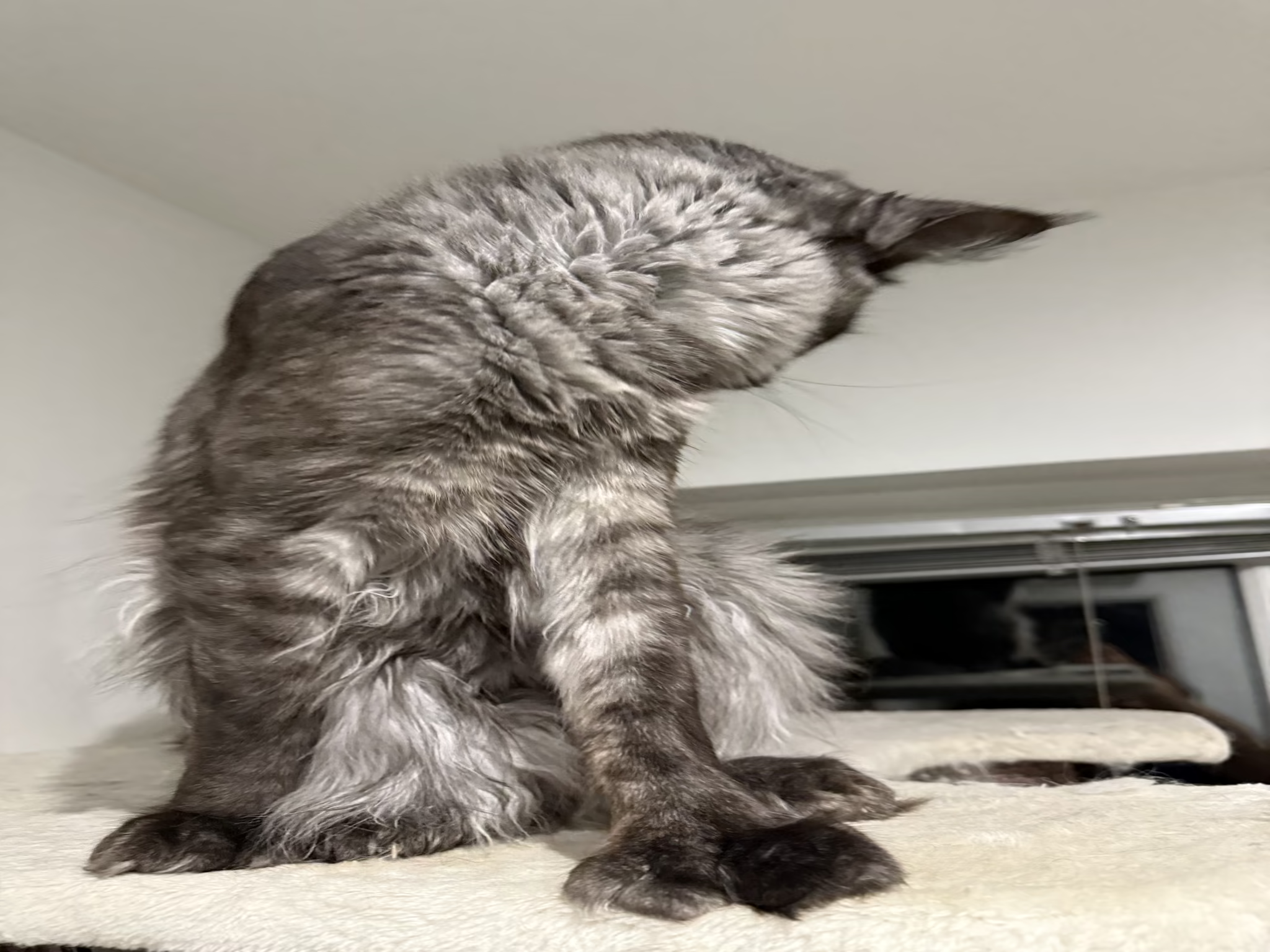
A polydactyl Maine Coon is born with more than the usual eighteen toes: five on each front paw, four on each back paw. One extra toe here, two there, sometimes on all four paws. It is not a disease and not a defect. It is a natural genetic trait as old as the breed itself, documented by the registries and explained by science. At Hugcoon, in the south of France, we chose to give it back its place in a serious breeding program.
A trait from the original farm cats
The Maine Coon began as the working cat of the farms and harbours of the American Northeast, and polydactyl cats were common among them; sailors prized them as ship's cats, sure-footed on deck and famous mousers. The most famous colony belongs to Ernest Hemingway: a ship's captain gave the writer a six-toed cat named Snow White, and around sixty of her descendants still live at the Hemingway Home in Key West, Florida. When you search for a Hemingway cat, this is the trait you are looking at.
What science says
The genetics are well described: polydactyly in the Maine Coon comes from a dominant mutation affecting a regulatory region known as the ZRS, studied in peer-reviewed research since 2008. Radiographic studies of polydactyl Maine Coons found forelimb bones otherwise identical to those of standard cats, and no associated welfare problem. A cat needs only one copy of the gene to show the trait, which is why a polydactyl parent gives roughly half polydactyl kittens.
Reading the adverts: P, PP, 6666, 7766
Breeders note the toe count paw by paw, front then back. A standard Maine Coon is 5544. 6666 means six toes on every paw; 7766 means seven in front, six behind. You will also see P for a polydactyl cat and PP in cattery shorthand. Our two future queens carry exactly those notations: Baguera, PP 6666, and BoraBora, PP 7766.
What the registries say
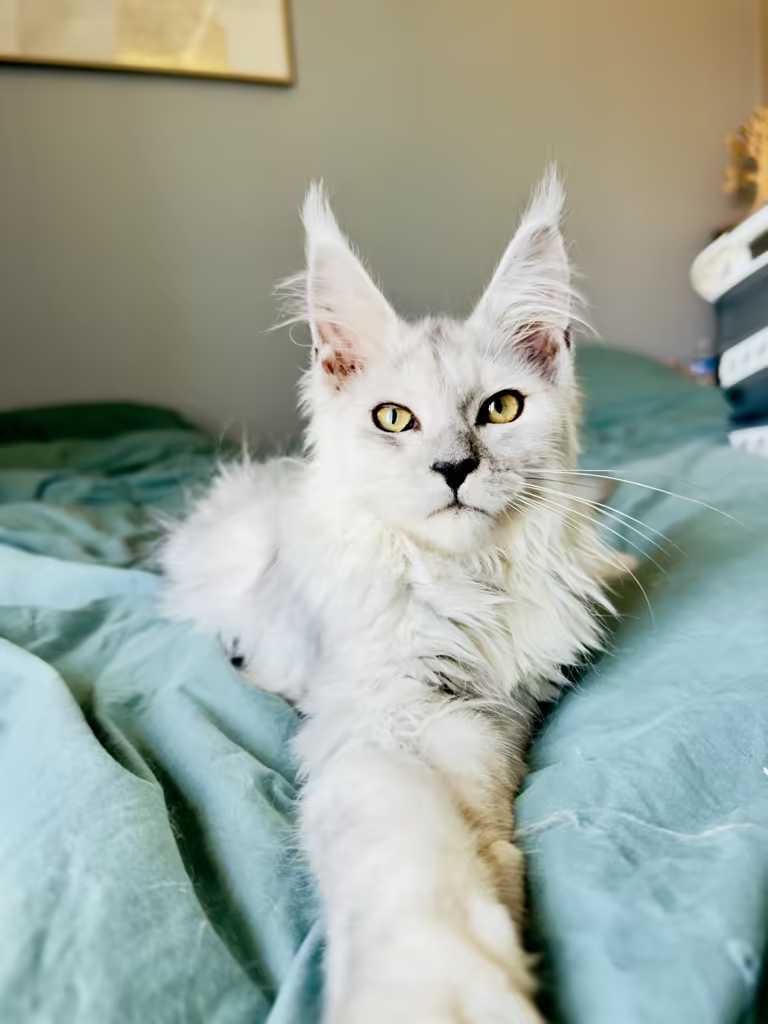
TICA recognises the polydactyl Maine Coon as MCP and has admitted it to championship since 1 May 2015. The French LOOF registers polydactyl Maine Coons and allows them to be bred, while withholding show titles. In other words: registered, healthy, bred openly, and in TICA shows, judged like any other Maine Coon.
Our polydactyl program
Our founding polydactyl male, Aribo PP, is now retired. Baguera (blue solid, PP 6666) and BoraBora (black solid, PP 7766) start breeding in early 2027, crossed with our smoke and silver lines. Polydactyl kittens will be rare, announced on the kittens page, and occasionally available with breeding rights to catteries worldwide.
Questions about polydactyl Maine Coons
Is polydactyly a health problem in Maine Coons?
No. It is a natural dominant trait, studied in peer-reviewed research. Radiographic studies found the limbs of polydactyl Maine Coons otherwise identical to standard ones, with no welfare problem. Our polydactyl breeding cats pass the same DNA tests as every Hugcoon cat.
What does MCP mean?
MCP is the TICA code for the polydactyl Maine Coon, recognised and admitted to championship by that registry since 1 May 2015.
What do the numbers 6666 or 7766 mean in adverts?
They count the toes paw by paw, front then back. A standard cat is 5544. 6666 means six toes on every paw; 7766 means seven on each front paw and six on each back paw.
Do you ship polydactyl Maine Coon kittens abroad?
Yes, like all our kittens: worldwide, with a professional animal transporter, following the veterinary rules of your country. Polydactyl kittens arrive from 2027 and will be announced on our kittens page.